Form And Fitness Presented By COMPEED®
Djokovic Is Gluten-Free... Are You?
by Matt Fitzgerald
|28.07.2011
Gluten-free diets are all the rage given Novak Djokovic's success in 2011. Learn about the benefits and also some pitfalls to avoid.
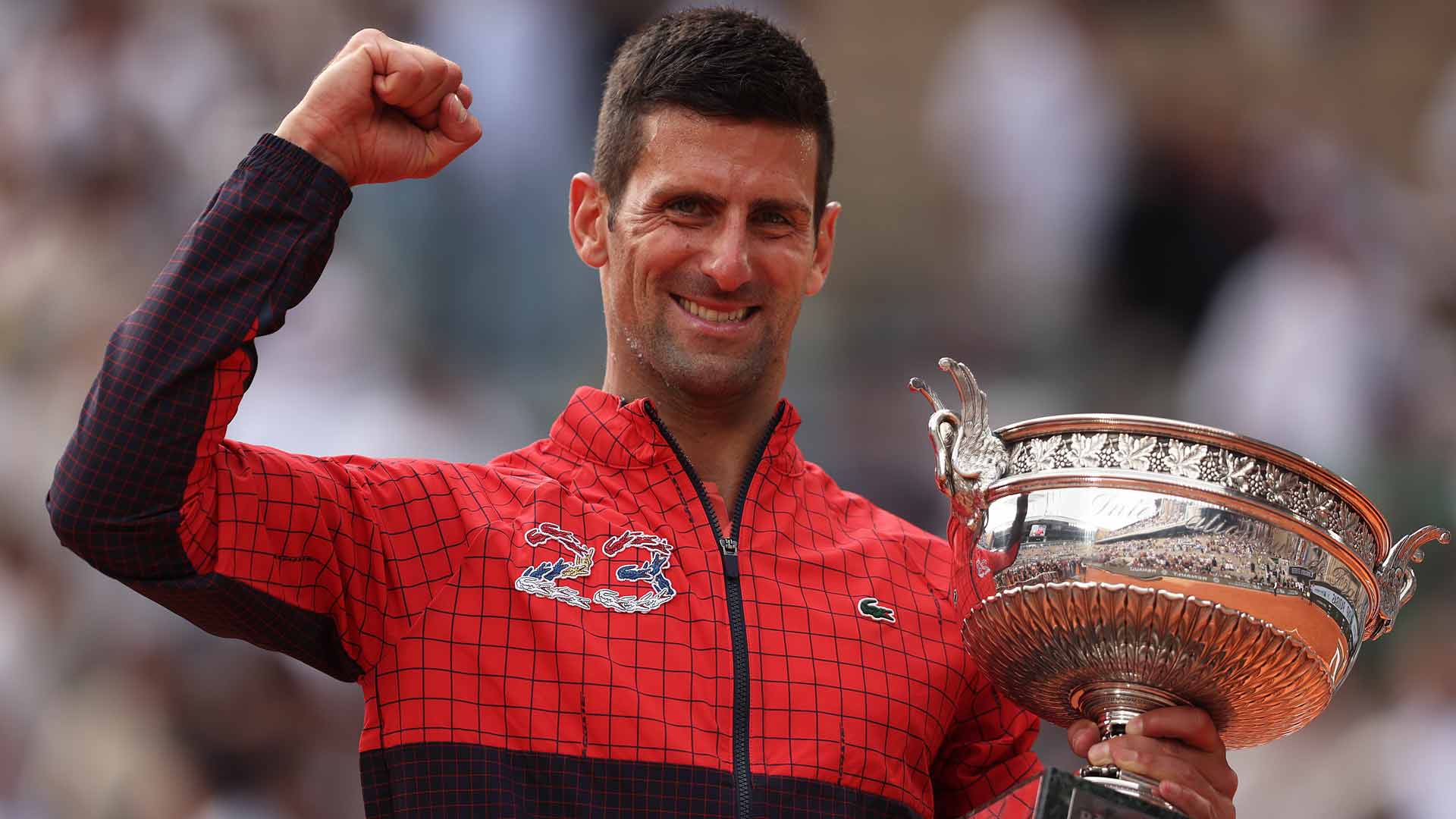
Prior to reaching the 2010 US Open final, Novak Djokovic found out he had coeliac disease, which affects about one in 100 people. It means he is intolerant to gluten found in many grains.
Four months ago, the Serbian revealed his secret.
Only then did his ATP World Tour rivals fully realise his success and subsequent rise to No. 1 in the South African Airways ATP Rankings was not just down to his agility, baseline aggression and strong serve, but to his diet.
Under the guidance of his nutrionist, Igor Cetojevic, Djokovic was steered away from wheat, barley and rye. He went onto compile a 41-0 start to the 2011 season.
Speaking in April, Djokovic admitted, "He's done a great job in changing my diet after we established I am allergic to some food ingredients, like gluten. It means I can't eat stuff like pizza, pasta and bread. I have lost some weight but it's only helped me because my movement is much sharper now and I feel great physically."
So should everyone go gluten-free? Hold on. You shouldn't jump on the bandwagon too soon. First, you must understand why people are on this diet.
What is Gluten?
Gluten is a protein, which is present in grains like rye, oats, wheat and barley. A gluten-free diet means staying off of foods comprised of these grains, eliminating staples such as bread, pasta, cereal and certain snack foods. "Eating a gluten-free diet is mainly a treatment for people suffering from Celiac disease, who have intolerance to gluten," said Page Love, Registered and Sport Dietitian Consultant for the ATP World Tour, WTA and United States Tennis Association.
Players who have an allergy to gluten, such as World No. 1 doubles player Mike Bryan and WTA star Sabine Lisicki, stick to a strict gluten-free diet to prevent gastrointestinal reactions. "By avoiding the gluten containing foods, players minimise their GI distress," explained Love.
It's not an easy diet for players like Djokovic and Bryan to follow, as it requires a limitation in the consumption of many common complex carbohydrates, a vital resource for athletes.
"For the tennis player this is possibly the most important energy source for their working muscles, since these foods comprise the mainstay of muscle energy foods in the tennis training diet.
"If you don’t eat enough carbohydrates, your energy level will decrease, causing early fatigue on the court, especially during intense tournament play."
How to get Carbs on a Gluten-free Diet?
"It is crucial that anyone who goes on this diet makes sure that they adequately replace the missing carbohydrate sources with alternative non-gluten foods such as corn, potatoes, rice, and legumes," adds Love.
The diet can be limiting at first, but you have lots of choices for complex carbohydrates that are naturally gluten-free, such as:
• Rice
• Beans
• Potatoes
• Buckwheat
• Sweet potatoes
• Winter squash
• Lentils
Common Misconception
In addition to ensuring one ingests enough gluten-free carbohydrates, Love stresses that this diet is not for those seeking weight loss or healthier living.
"While the average consumer or tennis player may think this approach can improve their health or weight loss, he/she may risk cutting out too many of his important energy sources in the diet," said Love. "The diet is not meant for weight loss; it is simply a diet to avoid GI irritants such as an allergy diet."
This was written in conjunction with Page Love, MS, RD, CSSD, USPTA. Visit www.nutrifitga.com for more information.
Facebook Fans
Search Form & Fitness
Related Features
Advertisement