Form And Fitness Presented By COMPEED®
Form & Fitness: Muscular Power
by Matt Fitzgerald
|27.10.2011
Muscular power is the key to explosive performance on the court...
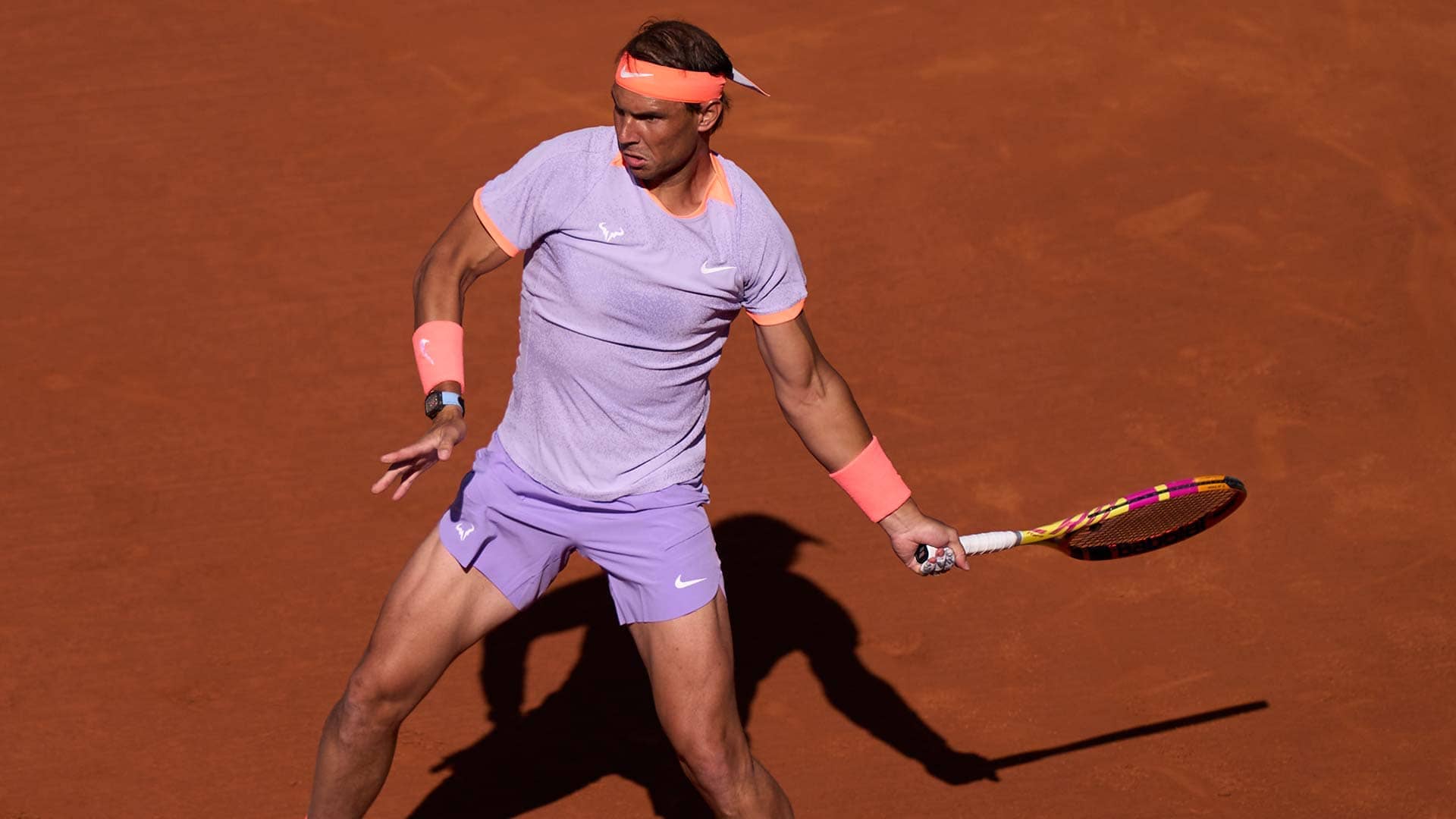
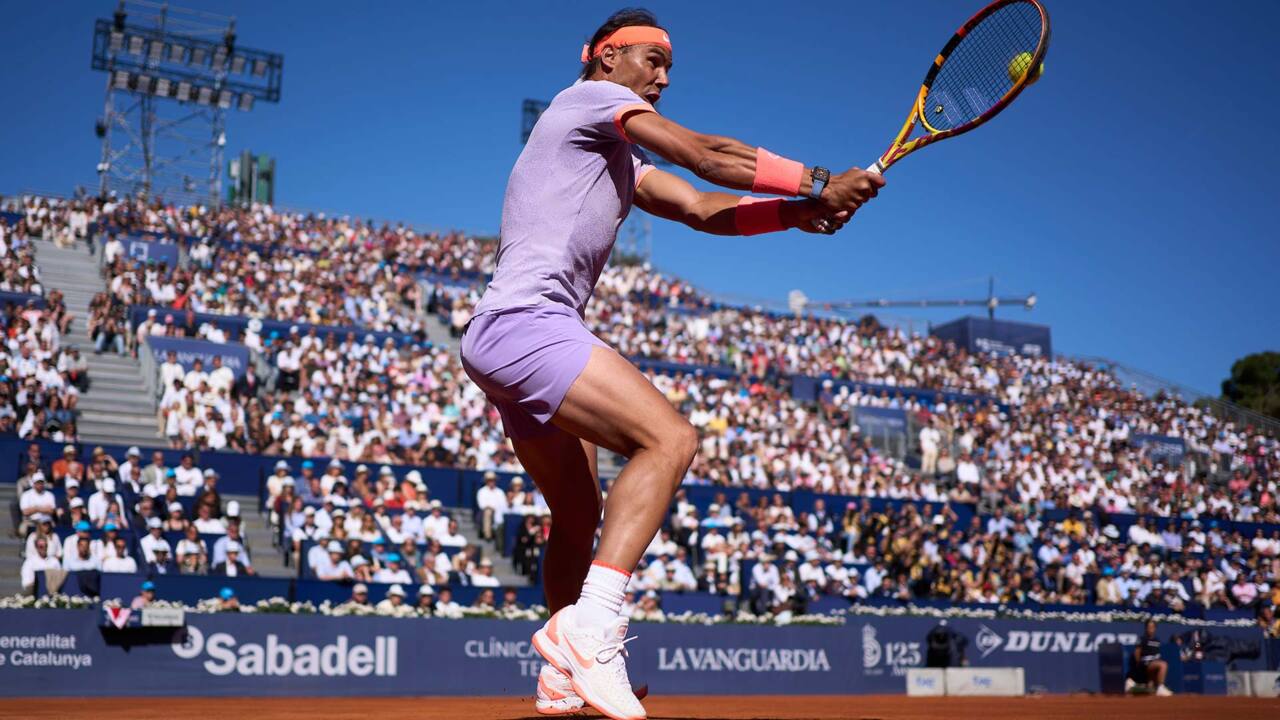
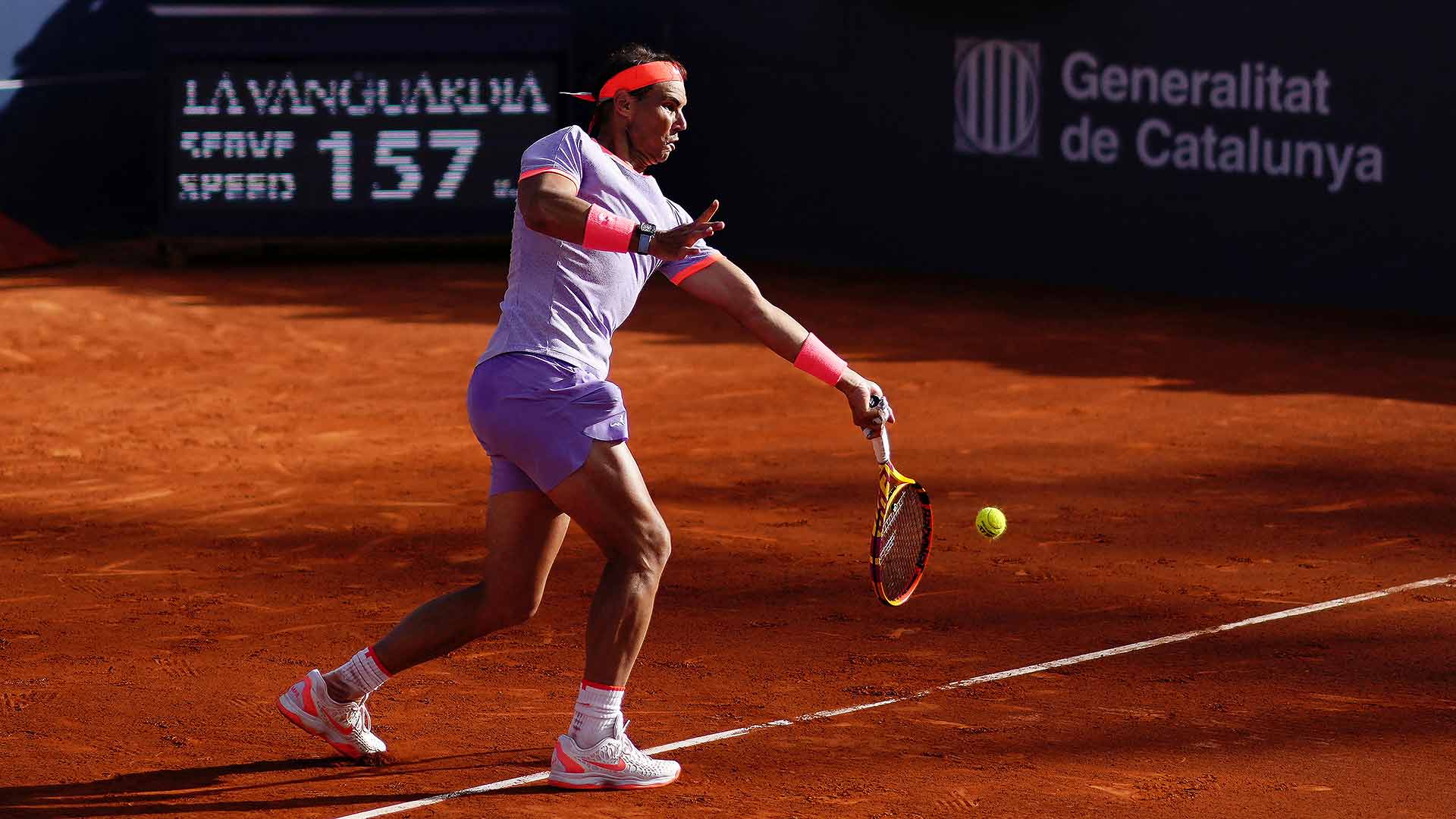
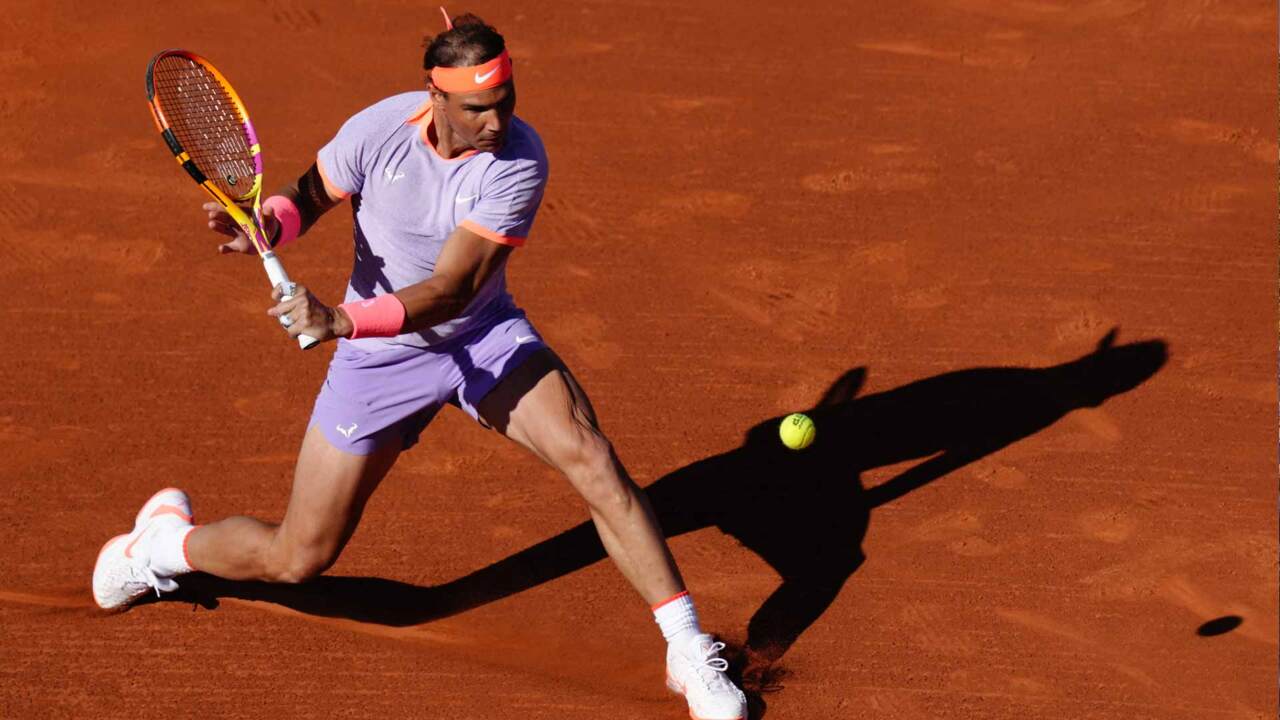
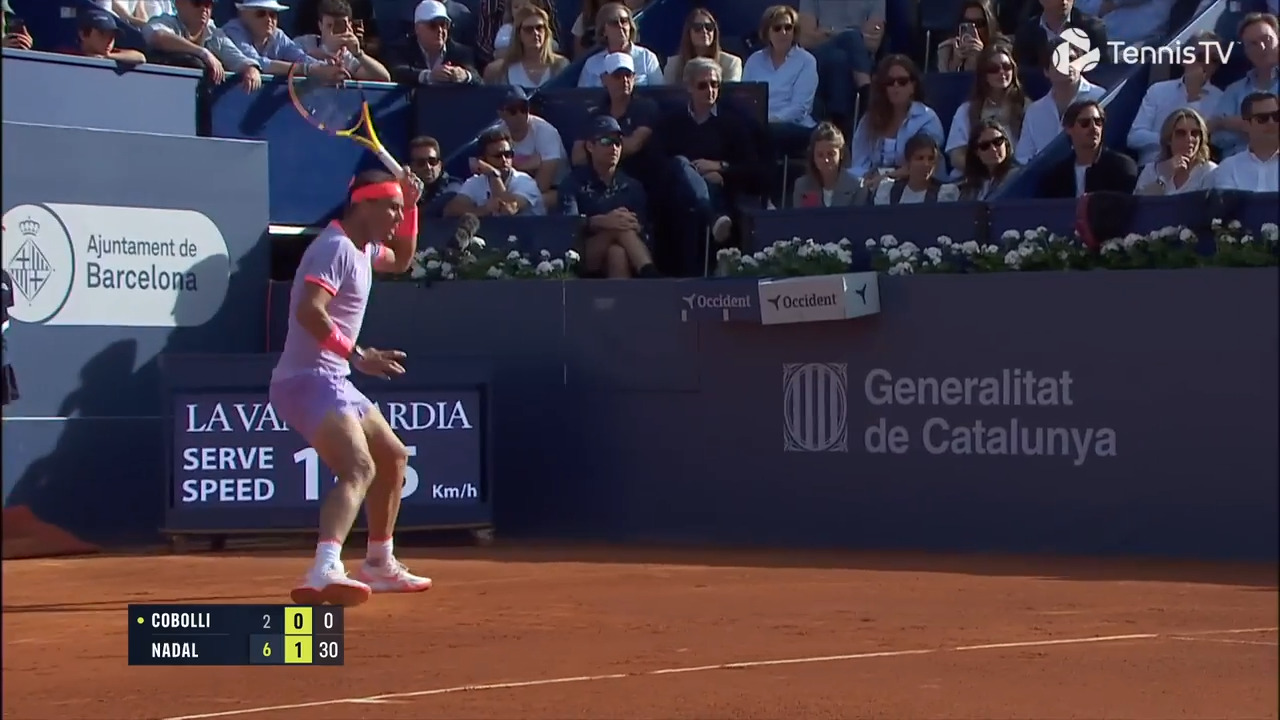
Think of muscular power in tennis and one man comes immediately to mind: Rafael Nadal, whose bulging biceps and strong legs make him an exceptionally explosive player, whether it be the force with which he hits the ball or how fast he moves about the court. But other players such as Kevin Anderson and Milos Raonic, two of the biggest servers in the game, also boast enormous muscular power, despite having a very different body shape to that of Nadal.
Muscular power is the ability for a muscle to work effectively over short periods of time. It can also be thought of as the capability of a muscle to rapidly exert force, or the explosiveness of the muscle. Todd Ellenbecker, Director of Sports Medicine for the ATP World Tour, says muscular power comes in different shapes and sizes. "Some players are very muscular, and have larger muscles and produce great amounts of power by using many muscle fibres to contract explosively to generate this power," says Ellenbecker. "Other players have very long lever arms that through the laws of physics allow their body through muscular control to generate large joint velocities and hence again generate large racquet head velocities and ultimately large ball velocities on all strokes."
In order for Nadal to generate his signature forehand, or for Raonic to crack a heavy first serve, players must use their entire body to generate velocity when making contact. "They use their legs and the explosive strength in their thighs and trunk to then funnel the energy up toward their arm and ultimately out to the racquet," says Ellenbecker.
Why Is Muscular Power Important?
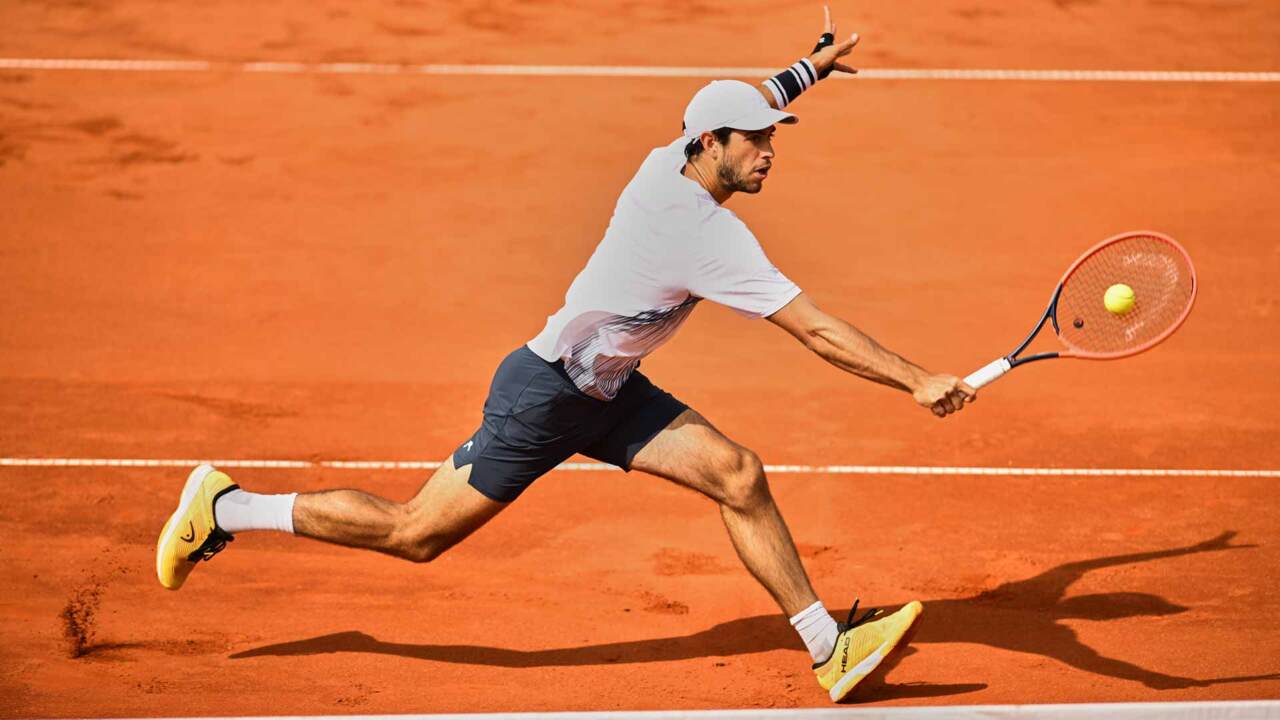
Tennis is a very explosive sport, making muscular power vital for ATP World Tour players, not only for intense and powerful lower body multidirectional movements, but also for the ability to rapidly accelerate and decelerate the upper extremity. That allows a player to strike the ball and produce the greatest amount of racquet head speed possible to generate ultimate ball velocity.
Developing Muscular Power
The muscle groups that are most important to building muscular power are found in the legs and shoulders. Additionally, calves, quadriceps, gluteal musculature and the core play a key role in generating muscular power.
"ATP World Tour players have very strong legs and of course great core strength," Ellenbecker says. "This allows them to take the power generated as they push off the ground and move the energy upward through what is called the kinetic chain to the trunk, shoulder and out the arm to the racquet and ball."
One of the ways to improve muscular power is through the use of plyometrics. These exercises use, initially, a lengthening or eccentric contraction, which produces a bit of a stretch to the muscle, followed by a very strong concentric or shortening contraction. "An example of this exercise would be when a player jumps off a platform and lands on the ground and upon hitting the ground explosively jumps up into the air which produces a very powerful contraction of most of the muscles in the lower body," Ellenbecker says.
"Another example in the upper body and core would be the use of medicine balls which many players on the ATP World Tour use in their training. By explosively catching (lengthening phase) and then throwing (shortening or explosive phase), these plyometric training drills can be used to train for explosive power in the upper body and core. Typically a 4-6 pound ball can be used. If a ball with too much weight is used the exercise becomes less explosive and more of a strength exercise."
Club Players
If playing at the club or recreational level, plyometric exercises can be incorporated into a workout. "The step jump plyometric, upper extremity chest pass or groundstroke simulation plyometric can be used. The advantage of these drills is that they are very tennis specific," says Ellenbecker.
"Also, a base form of power training would be alley hops - where a lunge-type side-to-side movement is used - explosively landing and then jumping to the other line of the alley."
Research Before Doing
Although almost all tennis professionals make use of plyometric exercises in their training regimens, club players must have a high level of fitness and strength before adding these drills to their training program. "One of the key things to remember is that training for muscular power is an advanced skill," cautions Ellenbecker.
"Injuries can occur due to the intensity of this training when this training is applied at the wrong time and without adequate preparation. Use of plyometric exercises early in the training program or by beginning players would not be recommended."
- COMPEED is an official supplier of the ATP.
Facebook Fans
Search
Search News
Advertisement
More Videos
- Form And Fitness 2012 - Max Mirnyi Works Out At Bollettieri Academy
- ATP World Tour Uncovered - Compeed
- Tennis Channel Feature Marcos Baghdatis
- ATP World Tour Uncovered - Footwork
- Fish: 'We Counted Every Calorie'
- Form And Fitness Presented By Compeed - Feet Protection
- ATP World Tour Uncovered - ATP World Tour Physiotherapists
- Brisbane 2009 - Robin Soderling Off-season Training
- Brisbane 2009 - Tomas Berdych's Off-season Training
- US Open Talk - Sam Querrey
- Form and Fitness - Ivo Minar Quadriceps Treatment
- Estoril Open 2008 - Spotlight on Federer
- Healthy Eating
- Lleyton Hewitt's Match Day Diet
- US Open Talk - Tommy Robredo
- US Open Talk - Nicolas Lapentti
- Dynamic Warmup - Polish Power
- US Open Talk - Carlos Moya
- Nutrition - Benjamin Becker Match Day Diet
- Form And Fitness - Ratiwatana Brothers Volleys On Net
- Dynamic Warmup - Damm & Vizner Mini-tennis Drill
- Dynamic Warmup - Tommy Haas Quarterback Pass
- Dynamic Warmup - Kerr & Hanley Australian Football
- Form and Fitness - Mirny, Murray Hand Signals
- US Open Talk - Tommy Haas
- Fernando Verdasco Talks US Open
- Nutrition - James Blake Prematch Meal
- Injury Management - Nicolas Lapentti Shoulder
- Form And Fitness - John Isner Talks US Open
- Dynamic Warmup - Leander Paes Volleys & Bands
- Dynamic Warmup - Robby Ginepri Jumping
- Dynamic Warmup - Robby Ginepri Forward & Backward Movement
- Dynamic Warmup - Robby Ginepri Quick Feet
- Dynamic Warmup - Leander Paes Elastic Tubing
- Dynamic Warmup - Leander Paes' 20-minute Pre-match Routine
- Dynamic Warmup - Leander Paes Torso Rotation
- Dynamic Warmup - Robby Ginepri Medicine Ball
- Dynamic Warmup - Leander Paes 'Monster Walk'
- Dynamic Warmup - Robby Ginepri Stairs
Related Features
More Videos
- Form And Fitness 2012 - Max Mirnyi Works Out At Bollettieri Academy
- ATP World Tour Uncovered - Compeed
- Tennis Channel Feature Marcos Baghdatis
- ATP World Tour Uncovered - Footwork
- Fish: 'We Counted Every Calorie'
- Form And Fitness Presented By Compeed - Feet Protection
- ATP World Tour Uncovered - ATP World Tour Physiotherapists
- Brisbane 2009 - Robin Soderling Off-season Training
- Brisbane 2009 - Tomas Berdych's Off-season Training
- US Open Talk - Sam Querrey
- Form and Fitness - Ivo Minar Quadriceps Treatment
- Estoril Open 2008 - Spotlight on Federer
- Healthy Eating
- Lleyton Hewitt's Match Day Diet
- US Open Talk - Tommy Robredo
- US Open Talk - Nicolas Lapentti
- Dynamic Warmup - Polish Power
- US Open Talk - Carlos Moya
- Nutrition - Benjamin Becker Match Day Diet
- Form And Fitness - Ratiwatana Brothers Volleys On Net
- Dynamic Warmup - Damm & Vizner Mini-tennis Drill
- Dynamic Warmup - Tommy Haas Quarterback Pass
- Dynamic Warmup - Kerr & Hanley Australian Football
- Form and Fitness - Mirny, Murray Hand Signals
- US Open Talk - Tommy Haas
- Fernando Verdasco Talks US Open
- Nutrition - James Blake Prematch Meal
- Injury Management - Nicolas Lapentti Shoulder
- Form And Fitness - John Isner Talks US Open
- Dynamic Warmup - Leander Paes Volleys & Bands
- Dynamic Warmup - Robby Ginepri Jumping
- Dynamic Warmup - Robby Ginepri Forward & Backward Movement
- Dynamic Warmup - Robby Ginepri Quick Feet
- Dynamic Warmup - Leander Paes Elastic Tubing
- Dynamic Warmup - Leander Paes' 20-minute Pre-match Routine
- Dynamic Warmup - Leander Paes Torso Rotation
- Dynamic Warmup - Robby Ginepri Medicine Ball
- Dynamic Warmup - Leander Paes 'Monster Walk'
- Dynamic Warmup - Robby Ginepri Stairs
Advertisement
Related News
FedEx ATP Head 2 Head
Enter the last names of two players and select from the list to see how they compare.
Upcoming Tournaments
-
20.05
Düsseldorf Watch LiveGet Tickets -
20.05
Nice Get Tickets -
27.05
Paris Get Tickets -
11.06
Halle Watch LiveGet Tickets -
11.06
London Watch LiveGet Tickets -
17.06
's-Hertogenbosch Watch LiveGet Tickets
ATP World Tour 250
ATP World Tour 500
ATP World Tour Masters 1000
Barclays ATP World Tour Finals 1500
Grand Slam 2000*
Davis Cup 625